

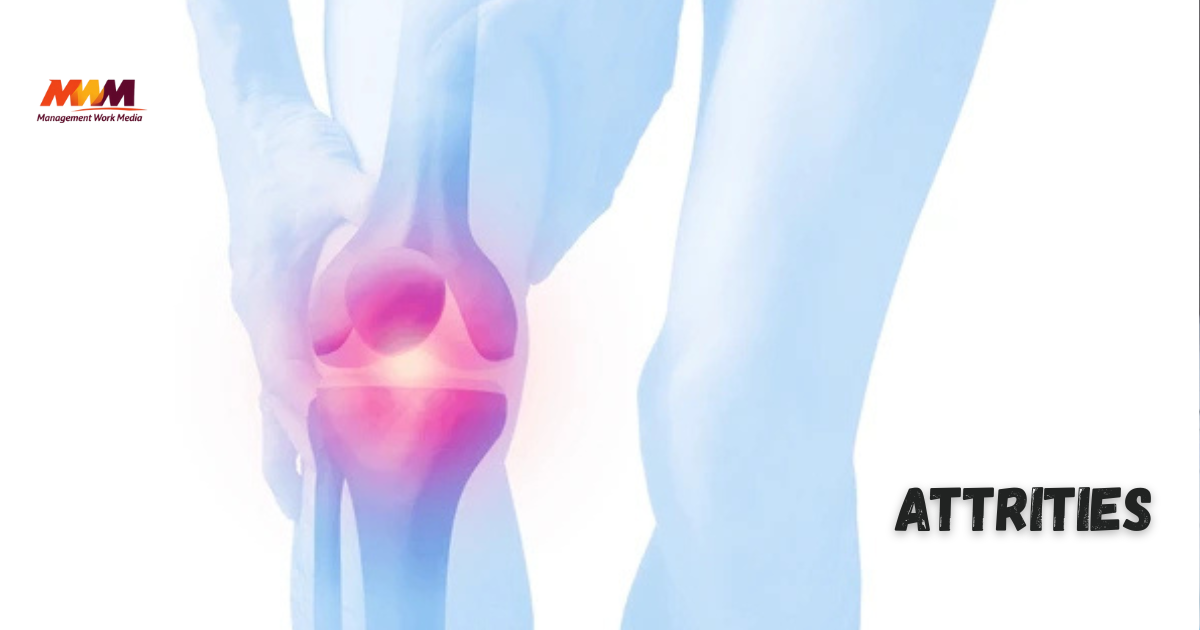
Attrities, commonly known as arthritis, is a long-term joint condition that affects millions of people worldwide. It mainly causes joint pain, stiffness, and discomfort that can slowly interfere with daily activities. Many people experience early signs such as morning stiffness or mild swelling but often ignore them until the condition worsens.
Over time, attrities leads to inflammation and damage inside the joints, reducing flexibility and movement. If left untreated, it can result in reduced mobility, making simple tasks like walking or lifting objects difficult. Understanding attrities at an early stage helps individuals protect their joint health and improve overall quality of life.
Introduction to Attrities (Arthritis)
Attrities is a condition that causes joint pain, joint discomfort, and stiffness due to damage inside the joints. It is not a single disease but a group of conditions that affect how joints work. Many Americans live with attrities without knowing the real cause of their pain.
As people age, aging joints face more stress. Over time, wear and tear and cartilage deterioration reduce smooth joint movement. Without early care, attrities leads to chronic pain, lower energy levels, and long-term mobility issues.
What Is Attrities and How It Affects Joint Health
Healthy joints allow smooth movement because cartilage cushions the bones. Attrities damages this system. Inflammation inside the joint causes pain, swelling, and stiffness. This directly affects joint function and movement quality.
When cartilage breaks down, bones rub together. This reduces the range of motion and causes reduced mobility. Over time, untreated attrities can permanently limit daily activities and independence.
Common Symptoms of Attrities
Early symptoms often include persistent joint pain, stiffness after inactivity, and morning joint stiffness. Many people notice discomfort when getting out of bed or after sitting for long hours.
As attrities progresses, symptoms become more visible. These include joint inflammation, swollen joints, warm joints, limited movement, and decreased range of motion. Advanced stages may show joint deformity, fatigue from chronic pain, and reduced daily functioning that affects both physical and emotional health.
There’s so much more to discover—browse our related posts!
Causes of Attrities and Major Risk Factors
Attrities develops due to several Causes & Risk Factors. The aging process naturally leads to cartilage wear, making joints weaker. A genetic predisposition and family history also increase risk.
Lifestyle factors matter. Obesity and joint pressure put stress on weight-bearing joints, causing knee and hip pain. Repetitive joint use, occupational joint stress, and sports-related strain speed up joint damage. Some cases result from an autoimmune response, especially in rheumatoid arthritis.
| Major Risk Factor | How It Affects Joints |
| Aging | Weakens cartilage |
| Obesity | Increases joint pressure |
| Genetics | Raises disease risk |
| Repetitive stress | Speeds cartilage damage |
Types of Attrities You Should Know About
Osteoarthritis is the most common type. It develops due to wear and tear and mostly affects knees, hips, and hands. It often appears later in life and worsens slowly.
Rheumatoid arthritis is caused by autoimmune disorders. The immune system attacks healthy joints, leading to swelling and pain on both sides of the body. Other types include gout and psoriatic arthritis, which involve inflammation and sudden pain attacks.
How Attrities Impacts Joint Function and Daily Life

Attrities limits movement and flexibility. Tasks like walking, bending, or gripping objects become painful. Many people face physical activity limitations that affect work and social life.
Pain and stiffness also affect mental health. Living with daily pain leads to stress, sleep problems, and lower motivation. Over time, reduced movement can weaken muscles and worsen joint damage.
Diagnosis of Attrities
Doctors diagnose attrities through physical exams and medical history. They check joint movement, swelling, and pain levels. Imaging tests like X-rays help detect cartilage loss and joint damage.
Blood tests are used when autoimmune disorders are suspected. Early diagnosis helps slow disease progression and improves long-term pain management and mobility outcomes.
Dive deeper and explore more valuable content tailored just for your growth journey.
Treatment Options for Attrities
Treatment focuses on Treatment & Management of pain and inflammation. Doctors often prescribe NSAIDs, pain relief medication, and anti-inflammatory medication to control symptoms.
Advanced care may include corticosteroid injections, physical therapy exercises, and muscle strengthening programs. Severe cases may require arthroscopic procedures or joint replacement surgery. All treatments aim to improve movement and reduce pain.
| Treatment Method | Purpose |
| Medication | Reduce pain and swelling |
| Therapy | Improve strength |
| Surgery | Restore joint function |
Lifestyle Changes and Home Remedies for Attrities
Daily habits matter. Weight management reduces pressure on joints. Low-impact activities like walking help keep joints active without stress.
Home care includes heat therapy, rest, and guided exercise. Many patients report better mobility after adopting low-impact exercise, improving posture, and following doctor-approved routines for symptom management.
Prevention Tips for Healthy Joints
Strong joints need daily care. Prevention & Lifestyle choices such as regular exercise, swimming and cycling, and maintaining a healthy body weight protect joints from damage.
A balanced diet rich in antioxidants, combined with flexibility exercises, stretching routines, and proper posture alignment, supports joint strength. Adequate hydration for joint health improves joint lubrication and movement quality.
Conclusion – Living a Better Life With Attrities
Attrities is a serious but manageable condition. Understanding symptoms, causes, and treatments helps people take control early. With the right care, pain can be reduced, and mobility can be improved.
By making smart lifestyle changes and following proven prevention strategies, people can protect their joints and improve long-term fatigue and wellbeing. Early action leads to a healthier and more active life with attrities.
Don’t miss out on more great reads—click through our featured posts!
