


Writing about Lake Texoma might seem simple, but knowing why Lake Texoma should be capitalized is essential for clear and professional writing. Proper capitalization is more than a grammar rule; it reflects respect for the geographic landmark, its history, and the communities along the Texas-Oklahoma border.
Using lowercase letters like “lake texoma” can confuse readers, reduce credibility, and affect travel guides, blogs, or educational materials. From historical significance at Lake Texoma State Park and Denison Dam to modern tourism, capitalizing this proper noun ensures clarity in writing, preserves local pride, and maintains consistent communication for anyone exploring or studying this iconic lake.
Why Capitalization Matters
Capitalization is more than a grammar rule. It is about clarity in writing and showing proper respect for geographic landmarks. When you write Lake Texoma, you tell readers that you are referring to a specific, real location. This differs from a generic phrase like “a lake in Texas.” Correct capitalization rules improve communication, prevent misunderstandings, and make your writing appear professional.
Using lowercase letters like “lake texoma” can confuse readers. For example, if someone searches online for Lake Texoma State Park, they may not find accurate results if it is written incorrectly. Clarity in writing ensures that travelers, students, and writers understand exactly which place name is being referenced. This is true for any proper noun, from Grand Canyon to Mount Everest.
Understanding Proper Nouns and Grammar Rules
A proper noun is a name for a specific person, place, or thing. Names like Lake Texoma, Lake Michigan, and Niagara Falls always require capitalization. Grammar rules emphasize that every word in a proper name should start with a capital letter. This standard is followed across writing standards, including professional writing, travel guides, and educational materials.
Style guides like the Chicago Manual of Style, APA, and MLA also confirm the importance of capitalizing proper nouns. Following these writing standards is essential for writers who aim for credibility. It is not just about rules; it is about maintaining the legacy and identity of well-known geographic landmarks.
The Unique Identity of Lake Texoma
Lake Texoma is more than water; it is a symbol of community and cultural significance. Located along the Texas-Oklahoma border, it is a landmark cherished by locals and visitors alike. The lake has played an important role in regional history and is surrounded by attractions such as Denison Dam, Lake Texoma State Park, and Texoma Marina.
Compared to other lakes like Lake Michigan, Niagara Falls, or Mount Fuji, Lake Texoma has a unique combination of recreational, historical, and ecological value. Correctly writing its name reflects awareness of its historical sites, strengthens local pride, and preserves the lake’s identity for generations to come.
Common Mistakes Writers Make
Many writers and bloggers make mistakes by using lowercase letters. Writing “lake texoma” instead of Lake Texoma is the most common error. In social media writing, this often happens due to casual style, but it undermines credibility. Mistakes also occur when people confuse generic terms like “the lake” with the proper name.
Other errors include inconsistent capitalization within the same article. For example, switching between Lake Texoma and “lake texoma” confuses readers. Writers should always follow capitalization rules for proper nouns and maintain consistency in writing across headlines and titles as well as the body text.
The best developers are also teachers. Blogging turns experience into impact.
How Experts Use “Lake Texoma”
Professionals in law, education, and travel always capitalize Lake Texoma. Official documents, such as government records, maps, and educational materials, treat it as a proper noun. Even travel guides and online tourism sites use Lake Texoma consistently to ensure accuracy.
In digital content, correct capitalization also helps with SEO. Search engines recognize Lake Texoma as a unique place name. This improves visibility for travel writers, bloggers, and businesses promoting Texoma Marina, Lake Texoma State Park, and nearby attractions. Correct usage signals professionalism and respect for the community.
The Debate: Capitalization Controversy
Some people argue that writing “lake texoma” in lowercase is fine. This is especially common on social media posts or casual writing platforms. They view it as informal and believe readers can understand the context without capitalization.
However, consistent use of Lake Texoma is important for clarity and professional tone. The debate highlights how capitalization reflects identity, legacy, and local culture. Using proper capitalization not only aligns with writing standards but also shows respect for the geographic landmark and the surrounding community.
Capitalization and Its Impact on Culture and Tourism
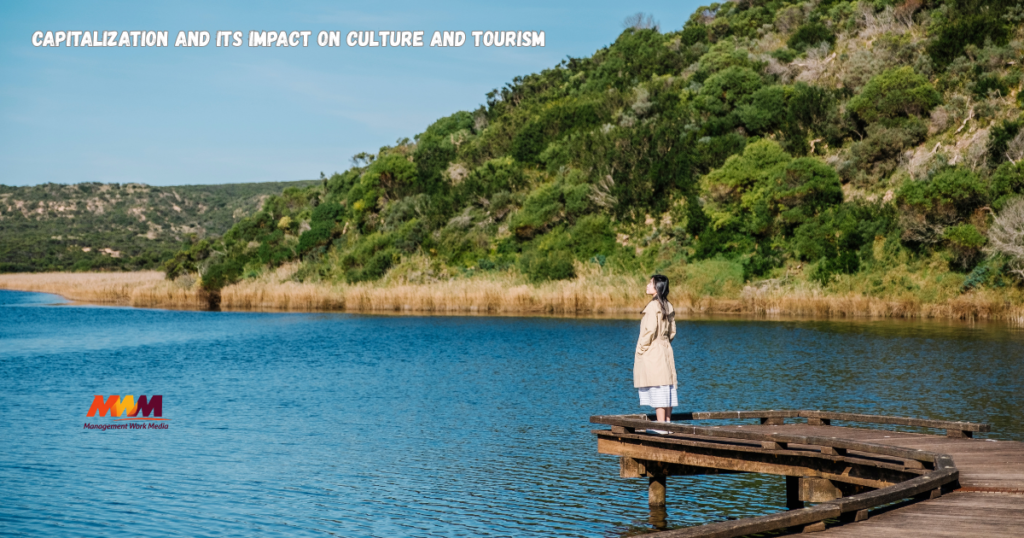
Capitalization of Lake Texoma affects more than writing; it impacts culture and tourism. Proper naming demonstrates local pride and preserves the lake’s cultural significance. For residents, seeing Lake Texoma correctly capitalized strengthens community identity and respect for regional heritage.
Tourism also benefits from correct usage. Travel websites, maps, and online guides that capitalize Lake Texoma properly attract visitors. This includes promoting nearby landmarks like Denison Dam, Lake Texoma State Park, and Texoma Marina. Studies show that consistent capitalization improves searchability, helping travelers find reliable information and boosting the tourism impact for the region.
Explore more content handpicked to spark your curiosity and grow your knowledge.
Writing Tips for Consistency
Writers should always capitalize both words in Lake Texoma. Consistency is key in headlines and titles as well as in body text. A checklist can help: always verify capitalization, follow grammar rules, and maintain the same style throughout your content.
Professional writing, including travel writing and educational materials, benefits from clarity. Using Lake Texoma consistently improves communication, enhances credibility, and demonstrates respect for local culture and historical sites. Remember, even minor errors can reduce the perceived quality of your work.
When “lake” Can Stay Lowercase
The word “lake” may stay lowercase when used generically. For example, saying “a lake near the Texas-Oklahoma border” does not refer to Lake Texoma specifically. Lowercase use is acceptable in informal contexts or casual social media writing, but it is never correct in formal or professional materials.
Understanding the difference between a proper noun and a generic noun ensures clarity in writing. Always capitalize Lake Texoma when it refers to the specific geographic landmark, and only use lowercase “lake” when speaking in general terms. This small distinction preserves the legacy and identity of the lake.
Conclusion: Capitalization as a Sign of Respect
Capitalizing Lake Texoma is more than a grammar rule. It reflects respect for the historical sites, local culture, and community pride surrounding this beautiful lake. Proper capitalization improves communication, boosts credibility, and preserves the lake’s identity for future generations.
Next time you write about this landmark, remember that Lake Texoma should be capitalized. Doing so ensures clarity, maintains writing standards, and honors the cultural significance and tourism impact of one of the most cherished geographic landmarks along the Texas-Oklahoma border.
FAQs
FAQ 1: Why should “Lake Texoma” be capitalized?
“Lake Texoma” is a proper noun referring to a specific geographic landmark on the Texas-Oklahoma border. Capitalizing it shows respect, preserves community pride, and ensures clarity in writing.
FAQ 2: What happens if I write “lake texoma” in lowercase?
Writing it in lowercase can confuse readers, reduce credibility in professional writing, and cause errors in travel guides, blogs, or educational materials. It may also affect search visibility online.
FAQ 3: Is capitalization important for social media posts?
Yes. Even in social media writing, correct capitalization of Lake Texoma adds credibility and professionalism, helping readers understand that you are referring to the specific lake, not a generic body of water.
FAQ 4: Are there similar places where capitalization matters?
Absolutely. Other proper nouns like Grand Canyon, Mount Everest, Lake Michigan, Mount Fuji, and Niagara Falls must always be capitalized to maintain writing standards and clarity in communication.
FAQ 5: How does capitalization affect tourism and online searches?
Correctly writing Lake Texoma helps search engines recognize the exact place name, improves SEO for travel websites, and guides visitors to attractions like Lake Texoma State Park, Denison Dam, and Texoma Marina.
