


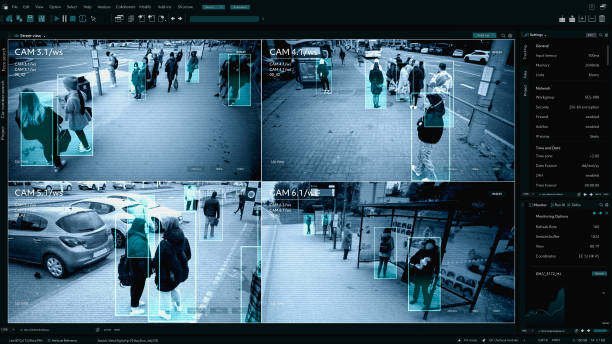
Every property owner should consider installing a CCTV system because security threats exist throughout the world. The installation of a camera system needs to be done correctly because a system which has been installed incorrectly will create blind spots while producing unreliable footage and causing technicians to spend unnecessary time fixing problems. A professional CCTV installer provides essential support because they deliver high security results through their ability to set up systems with great efficiency. The installation process becomes faster through the technical abilities, specialised equipment and established procedures which skilled installers use to complete their tasks.
Their speed enables them to manage cables and configure equipment while maintaining their delivery standards. The North West region requires businesses and residents to use CCTV Installer Manchester because it provides them with time-saving professionals who understand local security weaknesses.
Pre-Installation Site Survey and Strategic Planning
The professional installer executes a complete site survey before any drilling or wiring begins. The process requires personnel to walk through the entire property while they determine which areas possess essential entry points, together with blind spots and ideal locations for camera installation. The team uses a tablet or planning software to create simulated camera fields of view, which they can test at various heights and positions without needing to install any equipment. The digital pre-visualisation process helps users to create accurate results, which stops them from making the typical mistake of DIY projects that result in unnecessary holes because they try to install a camera that ends up showing either a wall or a tree. The installer uses detailed blueprints to guide his work because he requires them to complete his work with greater efficiency at the installation site.
Quick Wireless synchronisation and signal testing
An expert installer will not just assume the signal is strong enough when installing Wi-Fi-enabled or wireless cameras. Before mounting, they measure real-time signal intensity at each planned camera location with either a Wi-Fi spectrum analyser or the manufacturer’s signal meter application. Should the signal be weak, they immediately replace the camera or set up a Wi-Fi extender rather than finishing the setup just to discover that the camera streams drop. They also simultaneously batch-sync several cameras to the receiver. This methodical, test-first approach stops the never-ending cycle of rising, unmounting, and remounting that plagues wireless do-it-yourself projects, therefore sparing hours of annoyance.
Mobile app templates allow for effective configuration.
Professional installers take advantage of the ability to save configuration profiles and mobile apps. Rather than manually typing settings for each camera, they use the NVR or cloud platform’s “copy settings” or “template” feature. Setting precisely one camera’s privacy masks, recording schedule, and motion detection zones, they then apply that pattern to every other camera immediately. Many programs also let you quickly incorporate cameras using QR code scanning or Bluetooth beacon recognition. Walking the property to fine-tune angles, the installer may see the live feed of all cameras at once via tablet. This simultaneous configuration and viewing transforms what might be hours of setting-by-setting adjustments into one, streamlined session.
Remote Debugging Setup and Firmware Updates
Typically time-consuming and error-prone, firmware upgrades are processed before installation. Pre-downloading the most recent firmware for every device model onto a USB stick or updating them on the bench is done by the installer. On-site, they immediately check version numbers. Additionally, one major time-saving strategy during setup is allowing remote access and email notifications. They let remote troubleshooting and set the system to send push notifications to the owner’s phone. This suggests that,should a small problem arise weeks thereafter (for instance, a power surge resets a camera), the installer may normally log in from their workplace and address it without having to travel back. Future scheduling time for both parties is saved with this aftercare effectiveness.
In Conclusion
The worth of a professional CCTV installer goes much beyond technical competence; it really is about efficiency. By pre-installation planning, specialised tools, batch configuration, and quick deployment methods, a competent installer can finish a camera setup in hours instead of days. Their knowledge helps to avoid expensive and time-consuming mistakes like drilling into undetected obstacles or generating poor signal areas. Furthermore, guaranteeing that future modifications will be just as quick, systematic, and cabling and remote troubleshooting tools. For business owners and homeowners alike, employing a professional is not an added cost but rather a significant time-saving investment that offers a dependable, high-quality security system without the weekend-long headache of DIY installation.
