


Introduction
Your child’s mental health affects how they think, feel, and behave each day. It shapes learning, relationships, and long-term wellbeing. In the UK, NHS data shows one in six children aged 5 to 16 has a probable mental health condition. Early development plays a key role. You have a direct influence through daily habits, routines, and interactions. Strong support at home and in settings such as Preschool Leeds helps children build emotional strength from a young age.
Understanding Early Emotional Development
Children start learning about emotions from birth. They rely on you to feel safe and understood. Secure attachment supports brain development and reduces stress. When you respond calmly and consistently, your child learns trust. Early years settings like Preschool Leeds often reinforce this through structured emotional support.
You can support early emotional growth by listening to your child and naming their feelings. Simple phrases such as “you look upset” help them recognise emotions. Stories and play also help children understand different feelings. Research shows that children who learn emotional skills early perform better in school and show fewer behaviour issues. Emotional development forms the base for future mental health.
Building Healthy Daily Routines
Routine gives children a sense of control. It reduces anxiety and improves behaviour. A predictable day supports better sleep, focus, and mood. Many Preschool Leeds programmes follow structured routines to help children feel secure.
Set regular times for meals, play, and sleep. Keep bedtime calm and free from screens. Prepare your child for any changes in routine. Younger children benefit from visual schedules. UK health guidance recommends 9 to 11 hours of sleep for primary-aged children. Poor sleep links to low mood and difficulty concentrating. A stable routine helps your child feel safe and ready to learn.
The Role of Play and Social Interaction
Play is a key part of mental health development. It supports creativity, problem-solving, and social skills. Active play also reduces stress. Quality Preschool Leeds settings often focus on play-based learning for this reason.
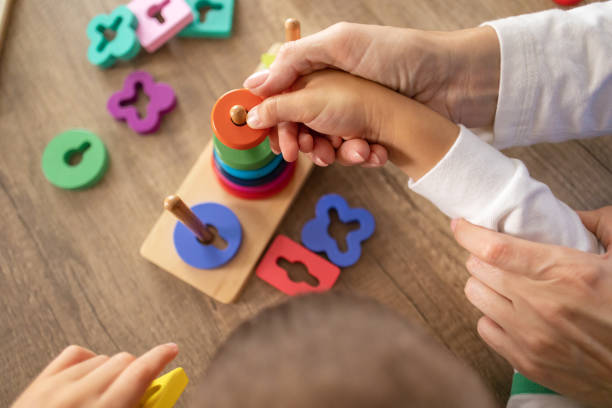
Encourage your child to play each day freely. Provide simple toys such as blocks, puzzles, and art materials. Outdoor play improves mood and physical health. The UK Chief Medical Officers advise at least 60 minutes of physical activity each day for children.
Social interaction also matters. Through friendships, children learn empathy, sharing, and conflict resolution. You can support this by arranging playdates and guiding your child through disagreements. Children with strong social skills show lower levels of anxiety later in life. Play and interaction together build confidence and emotional balance.
Recognising Challenges and Taking Action
You need to watch for changes in your child’s behaviour. Early signs of mental health issues often appear as mood or behaviour shifts. These include frequent sadness, withdrawal from activities, sleep problems, or a drop in school performance.
If these signs last for weeks, seek support. Speak with your GP or your child’s teacher. Schools and early years settings, including Preschool Leeds, often have trained staff who monitor emotional well-being. Early action leads to better outcomes.
You should also model healthy behaviour at home. Children copy how you respond to stress. Show calm reactions and talk about feelings in simple terms. Encourage independence by letting your child make small choices and complete simple tasks. Confidence grows through practice. A balanced diet also supports mental health. Regular meals with fruit, vegetables, and whole grains improve energy and mood.
Final Thoughts
Your role in your child’s mental health development is essential. Daily actions shape how they manage emotions and face challenges. Focus on connection, routine, play, and early support. Work closely with schools and early years settings such as Preschool Leeds to create a strong support system. Progress takes time, but consistent effort leads to lasting emotional strength.
