


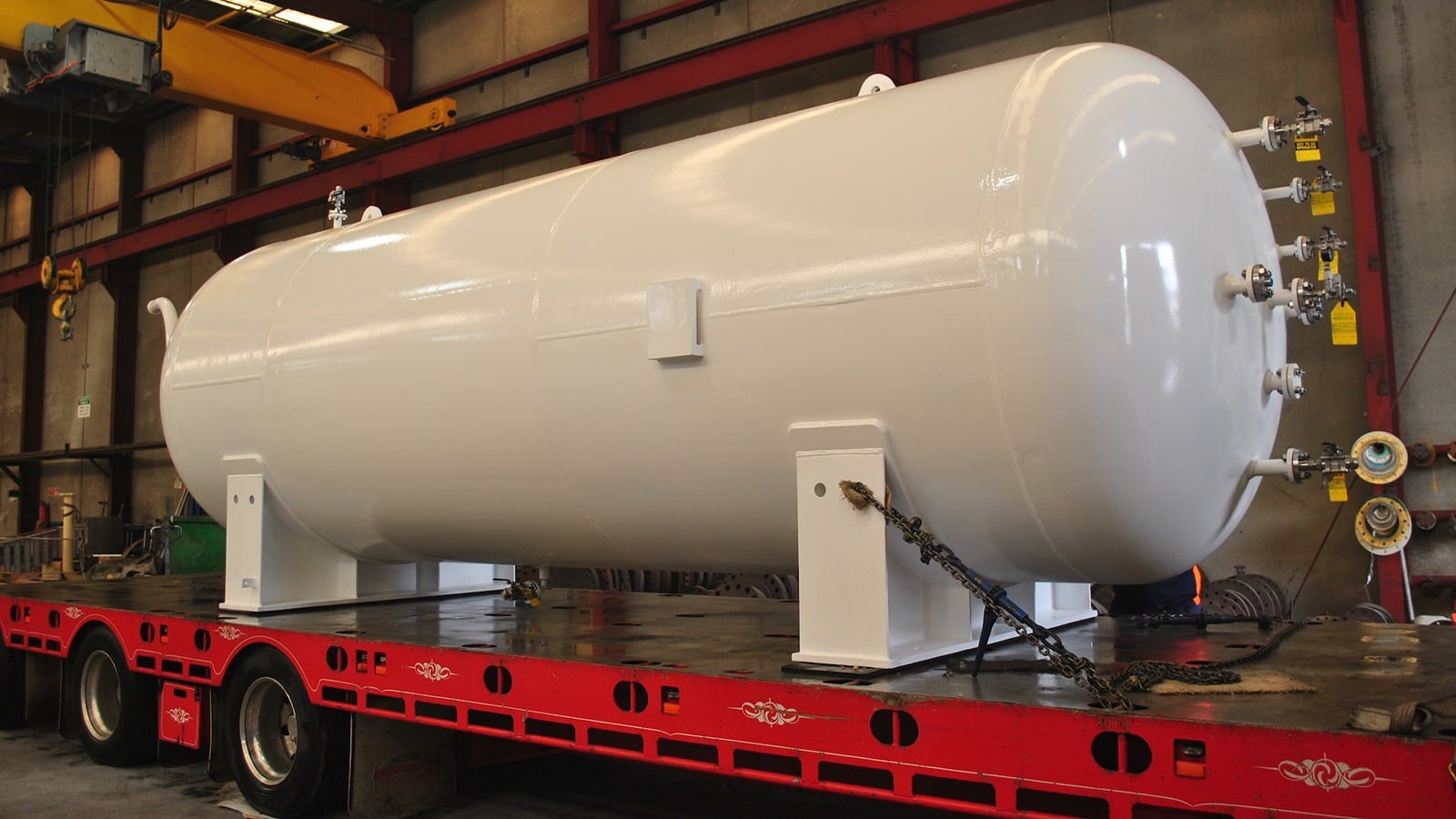
Industrial processes often require the safe storage, mixing, processing, and transportation of materials under controlled pressure and temperature conditions. To achieve these objectives, industries rely on specialized equipment designed to withstand demanding operating environments. One of the most important pieces of equipment used in modern manufacturing is the Pressure Vessel Tank.
From food processing facilities and chemical manufacturing plants to pharmaceutical production units, pressure vessels play a critical role in maintaining product quality, operational safety, and process efficiency. Their ability to handle pressurized materials makes them an essential component in various industrial applications.
This article explores the importance of a Pressure Vessel Tank, its key functions, and how it is used across food, chemical, and pharmaceutical industries.
What Is a Pressure Vessel Tank?
A Pressure Vessel Tank is a specially designed container built to store or process liquids, gases, or other materials at pressures significantly different from atmospheric pressure.
Unlike a standard Tank, pressure vessels are engineered to withstand internal or external pressure while maintaining structural integrity and operational safety.
These vessels are commonly manufactured using materials such as:
- Stainless steel
- Carbon steel
- Alloy steel
- Specialized corrosion-resistant metals
The design and construction of pressure vessels typically follow strict engineering and safety standards to ensure reliable performance.
Why Pressure Vessel Tanks Are Important
Many industrial processes require controlled pressure conditions to improve production efficiency and product consistency.
A Pressure Vessel Tank helps industries:
- Maintain process stability
- Improve product quality
- Enhance operational safety
- Support chemical reactions
- Control temperature and pressure
- Increase manufacturing efficiency
Without properly designed pressure vessels, many industrial operations would be difficult or impossible to perform safely.
Applications in the Food Industry
The food processing sector relies heavily on specialized equipment to maintain hygiene, product consistency, and regulatory compliance.
A Pressure Vessel Tank is commonly used in several food production processes where pressure and temperature control are critical.
Food Processing and Cooking Operations
Many food products require controlled heating and processing conditions.
Pressure vessels are used for:
- Cooking food ingredients
- Sterilization processes
- Pasteurization systems
- Thermal treatment applications
By maintaining precise pressure levels, manufacturers can improve product quality and production efficiency.
Beverage Production
In beverage manufacturing, a Tank designed for pressure applications may be used for:
- Carbonated drink production
- Fermentation processes
- Ingredient storage
- Mixing operations
Controlled pressure environments help preserve product characteristics and ensure consistency throughout production.
Dairy Processing
The dairy industry often utilizes Pressure Vessel Tank systems for:
- Milk processing
- Cream storage
- Heat treatment processes
- Product sterilization
These applications support food safety requirements while maintaining product integrity.
Applications in the Chemical Industry
The chemical industry is one of the largest users of pressure vessel technology.
Many chemical processes involve reactions that occur under elevated pressure and temperature conditions.
Chemical Storage
A Pressure Vessel Tank is commonly used for storing:
- Industrial gases
- Reactive chemicals
- Solvents
- Process liquids
Proper vessel design helps ensure safe storage and minimizes operational risks.
Chemical Reactions
Numerous industrial chemical reactions require controlled pressure environments.
Pressure vessels provide the conditions necessary for:
- Mixing reactions
- Catalytic processes
- Polymer production
- Industrial synthesis operations
The ability to maintain stable operating conditions is essential for product quality and process efficiency.
Gas Handling Applications
Many chemical plants use specialized Tank systems to store and process compressed gases.
Examples include:
- Nitrogen
- Oxygen
- Hydrogen
- Carbon dioxide
Pressure-resistant construction ensures safe handling and storage of these materials.
Applications in the Pharmaceutical Industry
The pharmaceutical sector operates under strict quality and regulatory requirements.
A Pressure Vessel Tank supports several critical pharmaceutical manufacturing processes where cleanliness, precision, and process control are essential.
Sterilization Systems
Sterility is a fundamental requirement in pharmaceutical production.
Pressure vessels are frequently used in:
- Sterilization chambers
- Clean manufacturing environments
- Product treatment systems
Controlled pressure conditions help eliminate contamination risks and support product safety.
Pharmaceutical Processing
Many pharmaceutical products require pressure-controlled processing during manufacturing.
Applications include:
- Ingredient blending
- Solution preparation
- Product formulation
- Process reactors
A properly designed Pressure Vessel Tank helps maintain consistency and ensures compliance with industry standards.
Water Purification Systems
Purified water plays an important role in pharmaceutical production.
Pressure vessels are commonly used in:
- Filtration systems
- Water treatment equipment
- Purification processes
These systems help manufacturers meet strict quality requirements.
Key Benefits of Pressure Vessel Tanks
The widespread use of pressure vessels across industries is largely due to the numerous advantages they provide.
Enhanced Operational Safety
Safety is one of the most important benefits of a properly engineered Pressure Vessel Tank.
Modern vessels are designed to withstand high pressures while incorporating safety features such as:
- Pressure relief valves
- Monitoring systems
- Emergency controls
- Reinforced construction
These features help reduce the risk of accidents and equipment failure.
Improved Product Quality
Consistent pressure control contributes directly to product quality.
Industries use pressure vessels to maintain:
- Uniform processing conditions
- Stable temperatures
- Controlled reactions
- Reliable production outcomes
This helps improve consistency and reduce production variability.
Increased Production Efficiency
A Tank designed for pressure applications enables manufacturers to optimize processing conditions and increase output.
Benefits include:
- Faster production cycles
- Improved process control
- Reduced waste
- Better resource utilization
These improvements can significantly enhance overall operational performance.
Long Service Life
When manufactured from high-quality materials and properly maintained, a Pressure Vessel Tank can provide reliable performance for many years.
Durability makes pressure vessels a valuable long-term investment for industrial facilities.
Factors to Consider When Selecting a Pressure Vessel Tank
Before investing in a pressure vessel, businesses should evaluate several important factors.
Operating Pressure Requirements
The vessel must be designed to safely handle expected operating pressures.
Material Compatibility
The construction material should be compatible with the substances being processed or stored.
Industry Standards
The vessel should comply with applicable engineering and safety regulations.
Capacity Requirements
Proper sizing ensures efficient operation and supports future production needs.
Selecting the right Pressure Vessel Tank helps maximize performance while ensuring operational safety.
Maintenance and Inspection
Routine maintenance is essential for maintaining pressure vessel reliability.
Recommended practices include:
- Regular inspections
- Pressure testing
- Valve maintenance
- Surface condition monitoring
- Safety system verification
Preventive maintenance helps extend equipment lifespan and minimize unexpected downtime.
Conclusion
A Pressure Vessel Tank is a vital component in food processing, chemical manufacturing, and pharmaceutical production. Its ability to safely handle pressurized materials while supporting critical industrial processes makes it indispensable across numerous applications.
Whether used for storage, sterilization, chemical reactions, gas handling, or product processing, a well-designed Tank contributes to improved safety, higher product quality, and greater operational efficiency. By selecting the appropriate vessel design and maintaining it properly, businesses can ensure reliable performance and long-term value from their industrial operations.
