


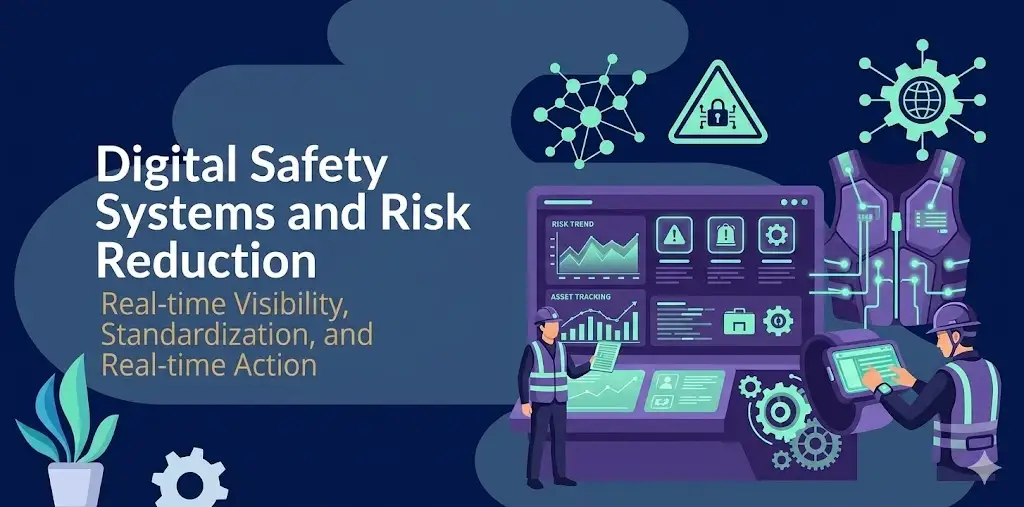
Operational risk remains one of the biggest challenges for organizations across industries such as construction, manufacturing, logistics, energy, and field services. As operations become more complex and distributed, traditional manual compliance methods are no longer sufficient. This is where safety compliance software systems play a critical role in reducing risk, improving visibility, and ensuring consistent adherence to safety standards.
Understanding Operational Risk in Modern Workplaces
Operational risk refers to the possibility of loss or disruption caused by inadequate processes, human error, system failures, or non compliance with regulations. In safety sensitive industries, these risks can lead to incidents, financial penalties, downtime, and reputational damage.
Many organizations still rely on paper based reporting, spreadsheets, or disconnected tools. These methods often result in delayed reporting, incomplete data, and poor decision making, all of which increase operational exposure.
What Are Digital Safety Compliance Systems
Digital safety compliance systems are software platforms designed to manage, track, and enforce workplace safety and regulatory compliance in real time. They centralize safety processes such as:
- Incident reporting and tracking
- Risk assessments and hazard identification
- Audit and inspection management
- Compliance documentation
- Corrective and preventive actions
- Real time alerts and notifications
By replacing manual workflows with automated systems, organizations gain better control over safety processes and outcomes.
How These Systems Reduce Operational Risk
1. Real Time Incident Reporting and Response
One of the most significant advantages of digital compliance systems is instant reporting. Employees can report incidents or hazards immediately through mobile devices or web platforms.
This reduces response time, allowing managers to take corrective action quickly and prevent minor issues from escalating into major incidents. Faster response directly lowers operational disruption and improves workplace safety.
2. Improved Visibility Across Operations
Digital systems provide a centralized dashboard that gives management a clear overview of safety performance across all sites and teams. Instead of relying on fragmented reports, decision makers can access real time data on compliance status, incidents, and risk trends.
This visibility helps organizations identify weak points early and take proactive measures before risks become critical.
3. Standardized Compliance Processes
Inconsistent processes are a major source of operational risk. Digital safety systems ensure that all teams follow standardized procedures for inspections, reporting, and audits.
This reduces variation in safety practices and ensures that compliance requirements are met consistently across departments and locations.
4. Automated Alerts and Risk Prevention
Modern compliance platforms include automated alerts that notify relevant stakeholders about potential risks, overdue tasks, or non compliance issues.
For example, if a safety inspection is missed or a hazard is reported, the system can automatically escalate the issue. This prevents oversight and ensures timely intervention.
5. Better Data for Decision Making
Digital safety systems collect structured and accurate data over time. This allows organizations to analyze trends, identify recurring issues, and make informed decisions.
Instead of reacting to incidents, companies can shift toward predictive safety management, reducing long term operational risk.
6. Easier Regulatory Compliance
Regulatory requirements are becoming more strict and complex. Non compliance can result in heavy fines and operational restrictions.
Digital systems help organizations stay compliant by maintaining up to date records, automating documentation, and simplifying audit preparation. This reduces the risk of penalties and legal issues.
7. Enhanced Accountability and Transparency
With digital tracking, every action is recorded and traceable. This creates a culture of accountability where responsibilities are clearly defined and monitored.
Transparency ensures that safety tasks are not overlooked and that corrective actions are completed within required timelines.
Read more articles here: https://managementworkmedia.co.uk/
The Business Impact of Reduced Operational Risk
When operational risk is reduced, organizations benefit in multiple ways:
- Fewer workplace incidents and disruptions
- Lower compliance related costs
- Improved productivity and efficiency
- Stronger regulatory standing
- Enhanced employee safety and morale
Ultimately, this leads to a more stable and resilient operational environment.
Conclusion
Digital safety compliance systems are no longer optional for organizations operating in high risk environments. They are a critical component of modern risk management strategies. By enabling real time reporting, standardizing processes, improving visibility, and ensuring compliance, these systems significantly reduce operational risk.
Organizations that invest in digital safety compliance not only protect their workforce but also strengthen their operational efficiency and long term sustainability.
Reduce your operational risk and automate your digital safety compliance system with a 30-day free trial: https://www.workaware.com/safety-compliance/
