


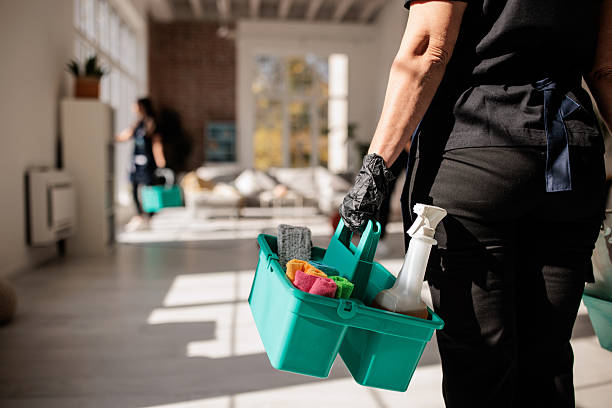
Millions of pounds are invested in cleaning goods purportedly creating a pristine home every year, but many of these household necessities are actually harming your house permanently. The very items intended to clean are frequently the cause behind expensive repairs, from the acidic character of white vinegar etching at natural stone countertops to strong bleach stripping protective coatings from toilet fixtures. Fire risks, structural flaws, and dull surfaces can result from even apparently innocent actions like pressure washing patios or using fabric softener on skirting boards. Identifying these dangerous habits before they result in costly repercussions is imperative, as experts caution that poor cleaning may even reduce the value of your house. Proper disposal is vital for the hazardous garbage created by these poisons; ensuring the safe removal of old goods often calls for professional help, such as Skip Hire Upholland, to protect your house and the environment.
Vinegar
Though many praise vinegar as an all-natural, environmentally friendly cleaning marvel, its acidity may damage some surfaces. White vinegar in bathrooms and kitchens can etch and dull natural stone such as marble, granite, and limestone, producing permanent pale rings and scars that are difficult to hide. Wooden floors also experience this same damaging influence; vinegar removes the protective finish and reduces the gloss, therefore giving off a drab look. Using vinegar on patios outside as well can poison the soil and destroy adjacent plants, weakening the structural stability of the tone. Always utilise a pH-neutral cleanser advised by the manufacturer for these fragile materials to safeguard your investment.
corrosive and toxic ammonia and bleach
Although bleach is a strong cleaner, it is actually harmful for everyday usage and can seriously damage your house. Bleach can harm enamel, acrylic, and natural stone on bathroom surfaces as well as disintegrate grout over time, resulting in cracks and leaks. For floors, bleach removes colour, degrades the wood material, and hastens vinyl degradation. Mixing bleach with other cleaning agents, particularly those containing ammonia, produces poisonous chloramine gases that cause extreme respiratory irritation and can be lethal. Also hazardous is a well-known TikTok hack of putting a bottle of Fabuloso in the toilet tank since the coloured dyes can stain porcelain and the chemicals erode rubber seals.
A fire threat on the skirting boards is fabric softener
One popular cleaning trick proposes wiping diluted fabric softener on skirting boards to repel dust and give a shiny finish. Experts advise against this practice since it is very hazardous, though. Particularly when skirt boards lie just beside electric outlets and warm radiators, fabric softener is extremely flammable and leaves a residue on painted or wooden boards that may readily catch fire. The risk of a fast-spreading fire is just not worth the temporary fresh smell. A safer option is just to wipe skirting boards with a dry or lightly wet microfiber cloth to get rid of the dust without introducing a flammable fuel source into your house.
Magic erasers and abrasive scrubbers
While steel wool, hard-bristle brushes, and abrasive pads may seem excellent for stubborn stains, they are essentially sandpaper for your fixtures. These harsh brushes scratch sensitive surfaces, including stainless steel appliances, fibreglass shower trays, and acrylic bathtubs, generating micro-scratches that trap filth and make surfaces more difficult to clean over time. Similarly, Magic Erasers (melamine foam) operate by abrasion and can permanently remove the shiny coating on polished metals, high-gloss surfaces, and non-stick coatings. Change to gentle microfibre cloths and non-abrasive sponges, which clean efficiently without producing microscopic damage, to keep your surfaces perfect.
Lemon juice and Coke
Though lemon juice has a fresh smell, its high citric acid composition renders it harmful for natural stone surfaces such as limestone and sandstone, producing discolouration and deterioration. On hardwood floors, it can take the colour and character from the wood. Other fizzy beverages are even worse than Coca-Cola. Acidity and high sugar content combine to produce a sticky residue that attracts ants, wasps, and other insects to your patio or kitchen surfaces, rather than cleaning effectively. Rather than experimenting with cuisine items, use particular cleaning supplies created for the substance you are treating to get a safe clean.
Conclusion
Often, the very offenders harming surfaces, fittings, and even our health are the items we believe to clean our houses. From the fire risk of fabric softener on wood to the destructive etch of vinegar on stone, these often committed errors can result in expensive repairs and depreciated properties. You can safeguard your investment while keeping a really clean environment by changing to pH-neutral detergents, soft microfibre cloths, and material-specific polishes. Moreover, never dump ancient, dangerous cleaning chemicals containing bleach, ammonia, or caustic soda down the drain, as they destroy the environment. To make sure hazardous substances are removed safely and responsibly, so as to safeguard both your house and the environment, use expert waste disposal services instead.
